
Comparing ferry routes for freight vehicles to Europe
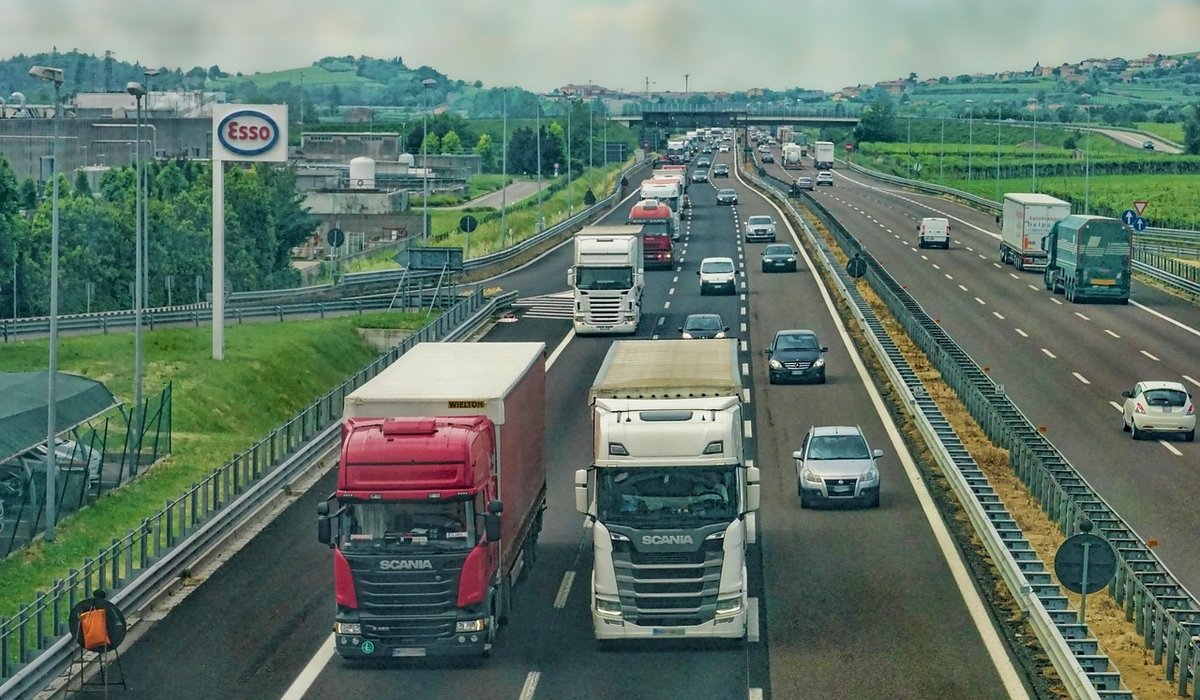
Every consignment leaving Great Britain for the EU needs a customs declaration, and the quality of that declaration decides whether your lorry rolls straight off the ferry or sits in a holding yard while an agent chases missing data. The rules themselves are not unreasonable, but they are unforgiving of guesswork. Get the detail right and the border becomes a routine part of the journey rather than a recurring crisis.
The commodity code is the spine of the declaration
The commodity code sits at the centre of everything. For exports it is the ten-digit code in the UK Trade Tariff; for the EU import side it is the eight-digit Combined Nomenclature code, with additional TARIC digits where measures apply. That code determines the duty rate, whether a licence or certificate is required, and whether anti-dumping duties or quotas come into play.
- Look up the code from both ends — UK tariff for export, EU TARIC for import — rather than assuming they match perfectly.
- Describe goods specifically: "stainless steel threaded bolts, M8" rather than "metal fittings".
- Check whether your goods are dual-use, chemical, food, plant-based or shipped on wooden pallets, as these often need extra certification.
An incorrect code can make a declaration inaccurate even when the duty paid was roughly right. Penalties and retrospective corrections cost far more than the half hour spent reading the tariff properly.
The core data set you need on every consignment
Most delays come from information that never reached the declarant in time, or that changed after the declaration was lodged. Before the truck is loaded, make sure you have:
- Your GB EORI number and the EU importer's EORI, checked and active.
- A commercial invoice showing a clear description, quantity, unit value, currency and the agreed Incoterm.
- Country of origin for each line, plus a statement on origin where you are claiming preferential treatment.
- Gross and net weights, package counts, types and marks.
- Procedure codes, additional codes where relevant, and the intended office of exit.
- The Movement Reference Number once the declaration is accepted — this must reach the driver or haulier.
Groupage loads need particular care. One declaration covers one consignment, not one trailer, so a mixed load may need several sets of paperwork that all have to be ready at the same time.
Duties, VAT and Incoterms: who pays what
Under the UK–EU Trade and Cooperation Agreement, goods that meet the preferential rules of origin can enter the EU at zero tariff. That is a genuine benefit, but it is conditional: you need a valid statement on origin on the invoice and records that support it. Without them, the standard third-country duty rate applies.
Import VAT is charged at the destination member state's rate. VAT-registered importers in many member states can use postponed accounting or a reverse charge, which helps cash flow considerably, but the mechanism differs from country to country.
Your choice of Incoterm decides who acts as importer of record. DAP leaves clearance and duties with the buyer. DDP puts them on you, which normally means holding an EU EORI and, in some member states, appointing a fiscal representative. EXW looks simple but forces the buyer to arrange export clearance in a country where they may have no presence at all; FCA is usually the cleaner option for UK sellers.
Paperwork and evidence that prevents hold-ups
The declaration is only one document in a set that has to tell the same story. Mismatched descriptions between the invoice, packing list and CMR are one of the most common causes of a referral at the border. A typical export file should include:
- Commercial invoice, with the origin statement where applicable.
- Packing list and CMR consignment note.
- T1 transit documents if the goods cross additional countries or move under transit.
- Any licence, health certificate, phytosanitary certificate or CITES permit the goods attract.
- Safety and security declarations, which carriers often file on your behalf.
Keep copies of everything, including the accepted declaration and proof of exit, for at least four years. Retrospective verification of origin claims is routine, and an audit trail that exists only in someone's inbox will not survive scrutiny.
Habits that keep freight moving
File declarations before the vehicle reaches the port, not while it queues. Agree with your haulier who is responsible for what, in writing, and put a named contact on both sides. Reconcile the MRN against what was actually loaded, because substitutions and short shipments are where declarations and reality drift apart.
Northern Ireland and the Republic of Ireland deserve their own attention, since the Windsor Framework and the land border create routes and rules that differ from a straightforward Calais crossing. If your volumes are steady, a customs agent or freight forwarder will usually earn their fee — but you remain responsible for the accuracy of the data you supply. Treat the declaration as part of the product you are shipping, and the border stops being a gamble.
LEAVE A COMMENT